How we showed the world what arecycling workspace looks like
The Shipping Container
The container workspace put our whole recycling process into one small, copyable floorplan. It showed, for the first time, exactly what a working plastic recycling space looks like in practice, and it could be shipped anywhere in the world ready to plug in.
Impact in numbers
59.304
video views
Views on the Maldives container video, as of July 2026
?
+10
Container Builds
Based on images from our platform and Instagram
?
1.196
Registered Workspaces
Approved map pins on our Community Map, as of July 2026
?
64
Countries
Based of locations of our workspaces on the map and survey data
?
The Problem
In the early days, most people doing this were doing it at home. One machine in the garage, recycling on the weekend, as a hobby. A good way to start, but we knew it could be more than that. Recycling could be a real job.
For that you need a dedicated space where the same process runs again and again, somewhere efficient, comfortable and safe. And back then there was no reference for what that space should actually look like. Nothing you could copy. Nothing you could point to as proof that a small recycling workspace could work as a business.
So we decided to build one.

What we did
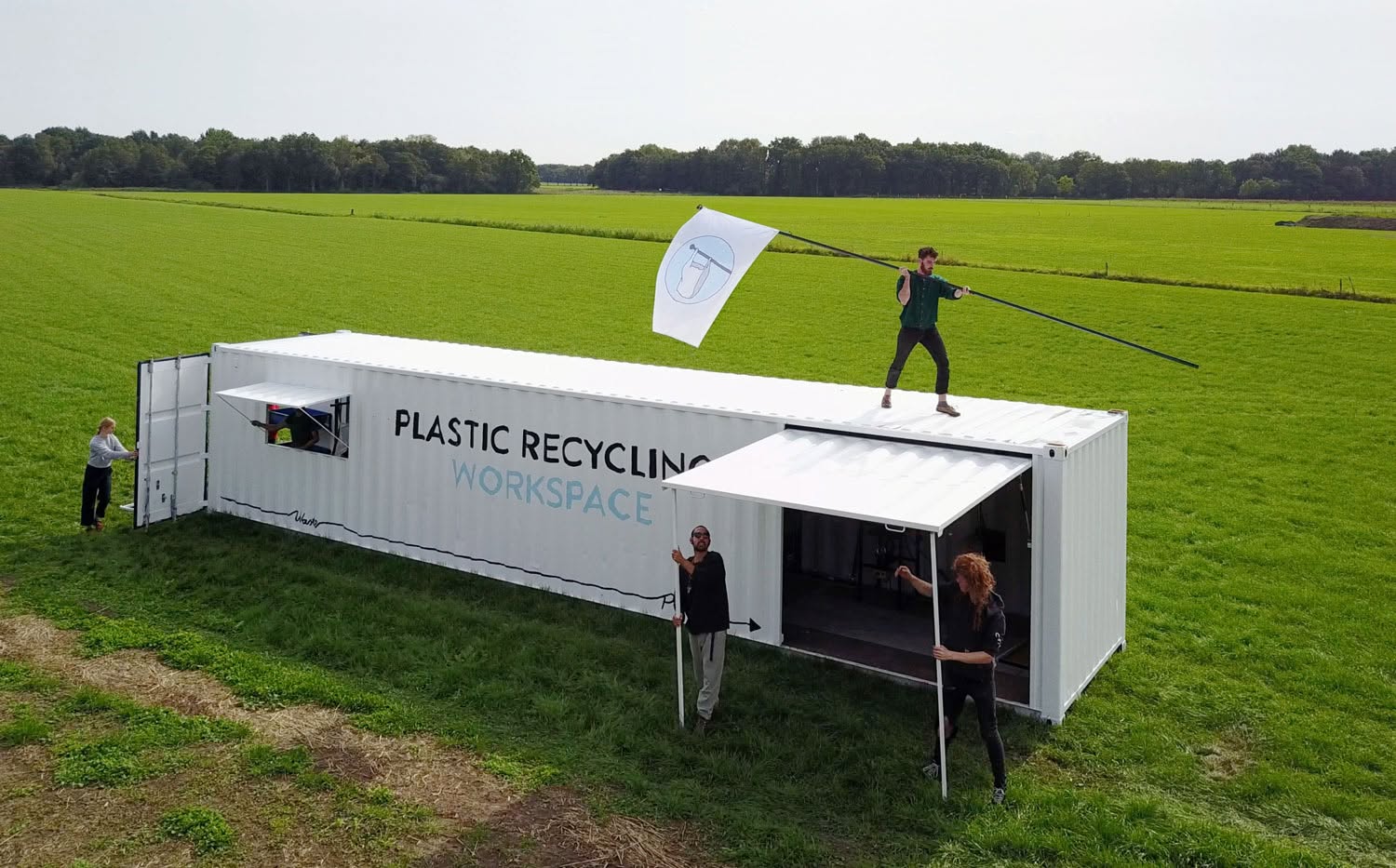
We chose a shipping container for a simple reason: they are the same the world over. Source one anywhere, and our blueprints fit it perfectly. Copy and paste.
We bought a used container and got to work.
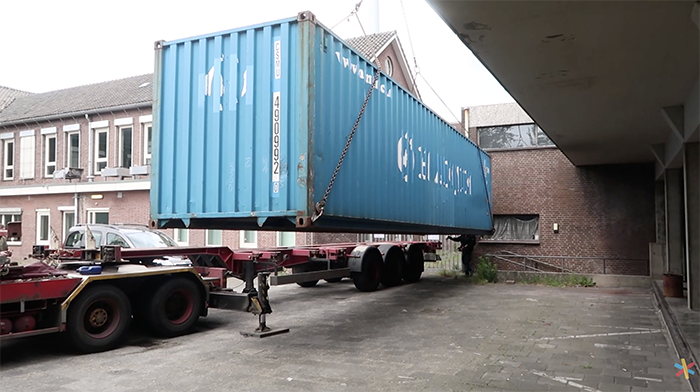
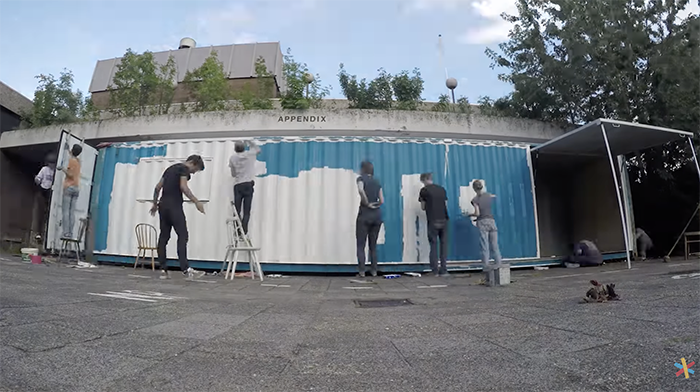
We cut and ground two openings into the steel for a door and a window, welded in structures to hold the machines, materials and a display wall, then cleaned and painted it.
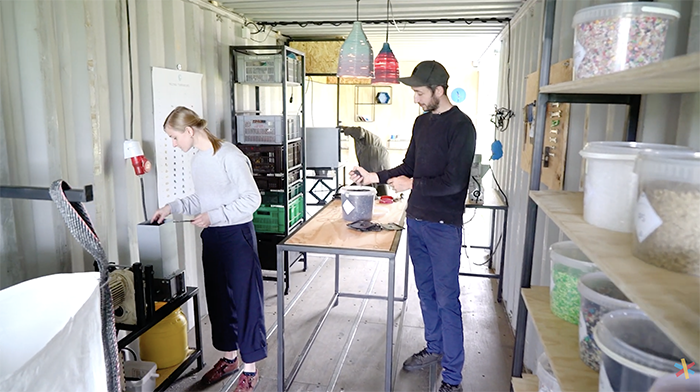
Then we filled it with a shredder, an extruder and an injection machine. Going from an empty metal box to a working workspace was surprisingly quick.
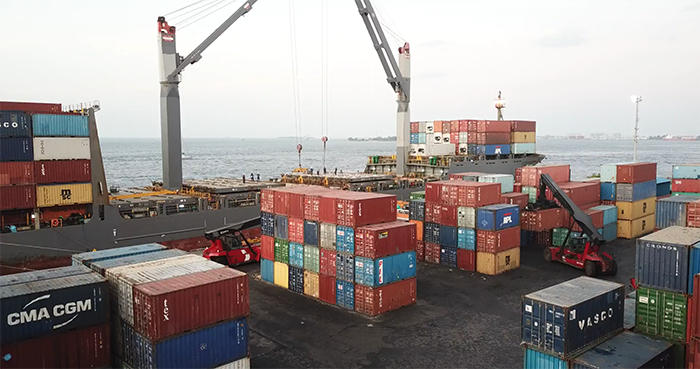
The whole workspace could now be shipped, machines and all, and switched on at the other end. An instant factory in a box.
Before it went to its real home it made a pit stop, at Dutch Design Week, where it became one of the standout sustainability exhibits. In a single walk from one end to the other you could watch a piece of plastic waste become a finished product.
In a single walkthrough from one end to the other, a person could experience the complete process of a piece of plastic waste being transformed into a market-ready product.
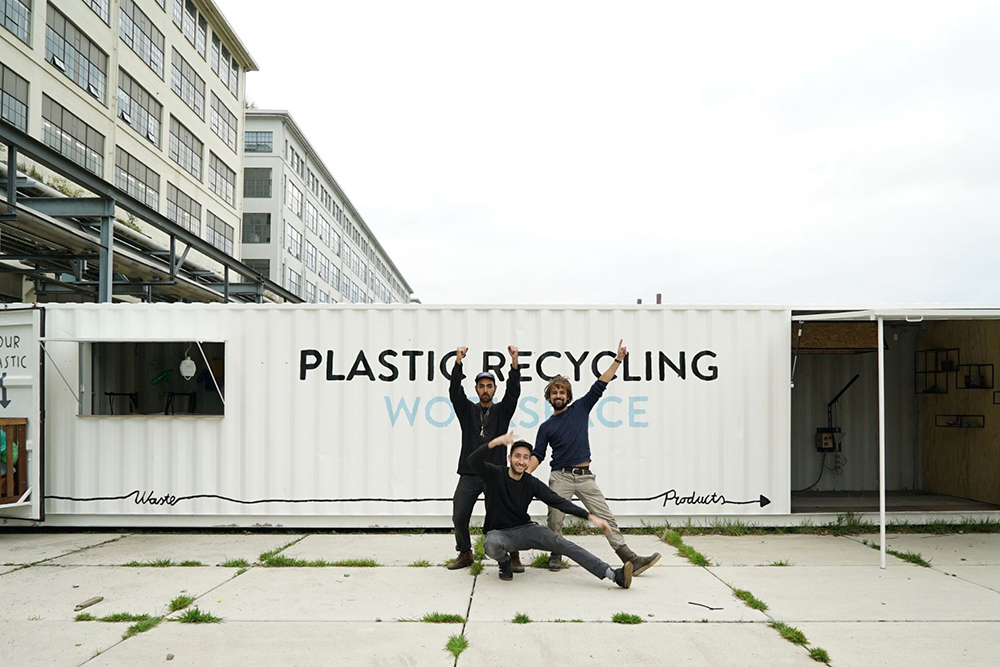
Once its debut was done, we transported it to its new home.
Then we sent it where it was needed. We worked with Parley for the Oceans to pick a place that stood for a problem millions of people share: the Maldives. Remote islands are among the worst hit by ocean plastic and the least likely to have any recycling infrastructure. Plastic arrives by the ocean, not from local industry, so building machines on site would have been hard. Shipping in a finished workspace solved exactly that.
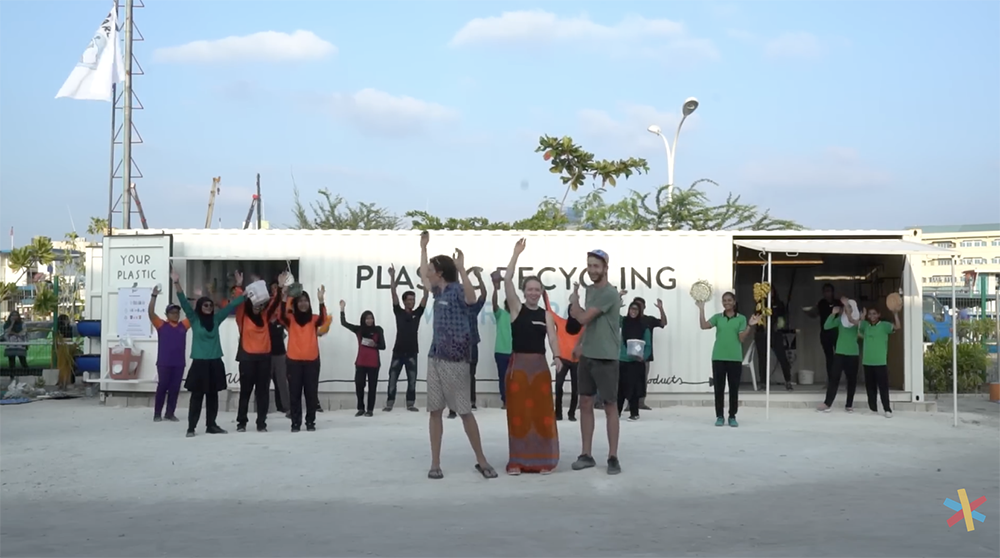
As always, we filmed the whole thing.
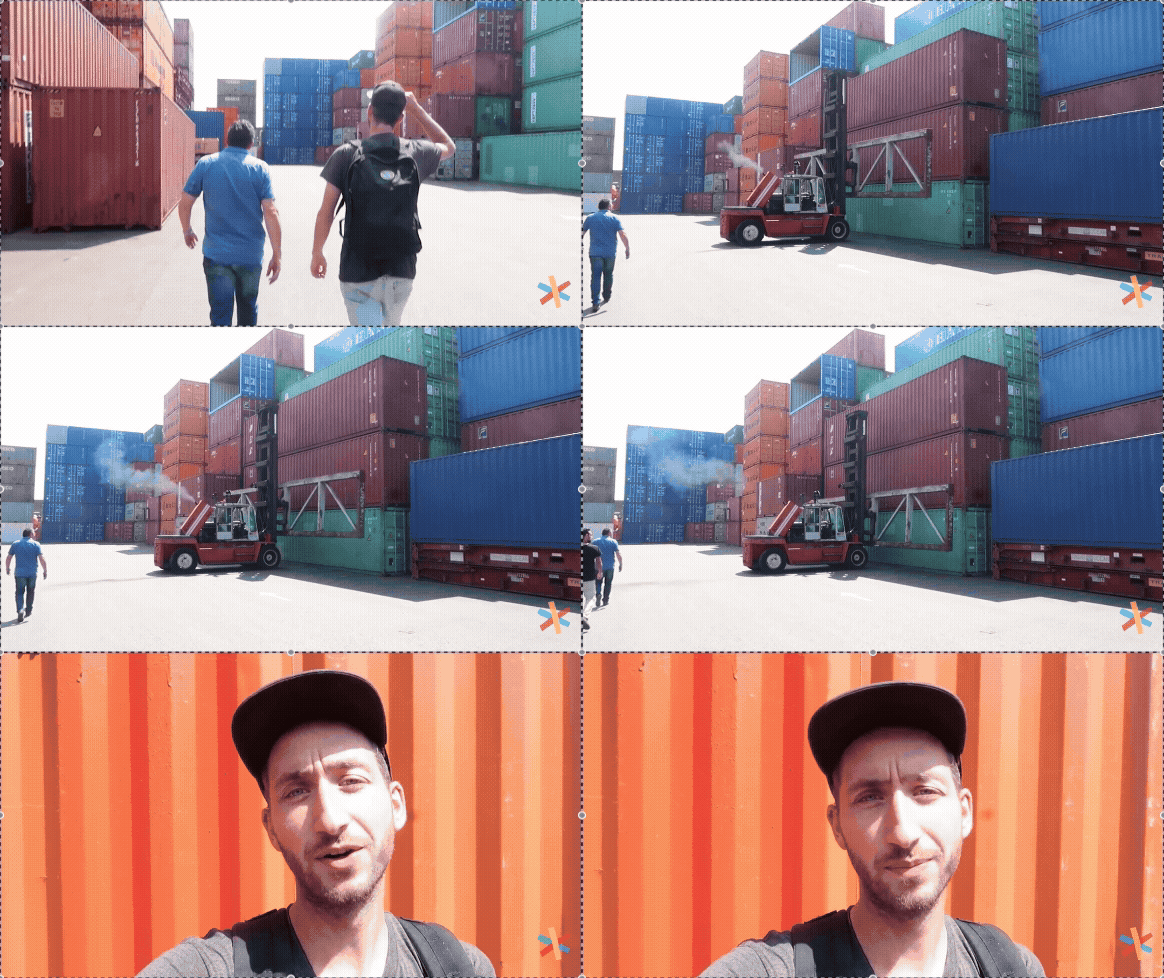
Sourcing the container
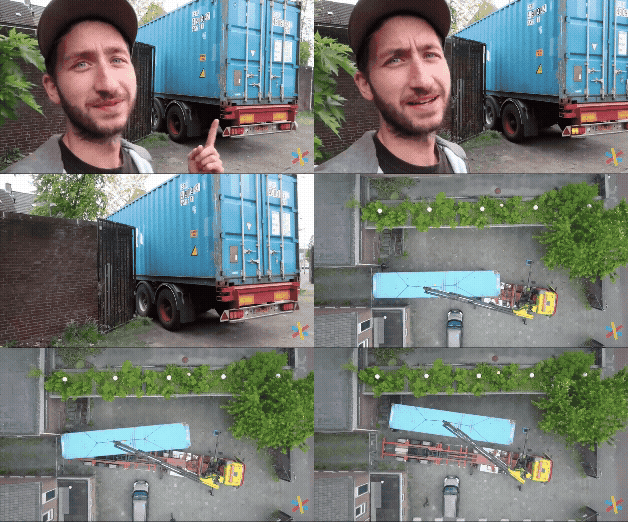
Installing at our workshop
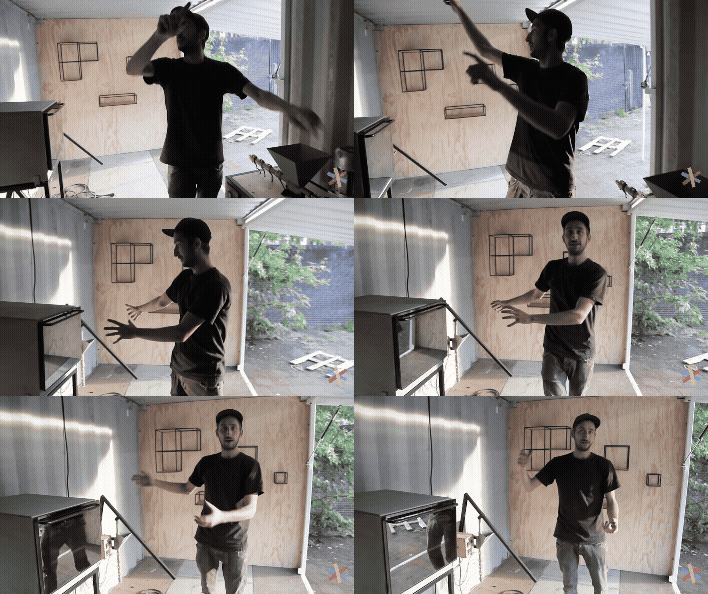
Interior is finished
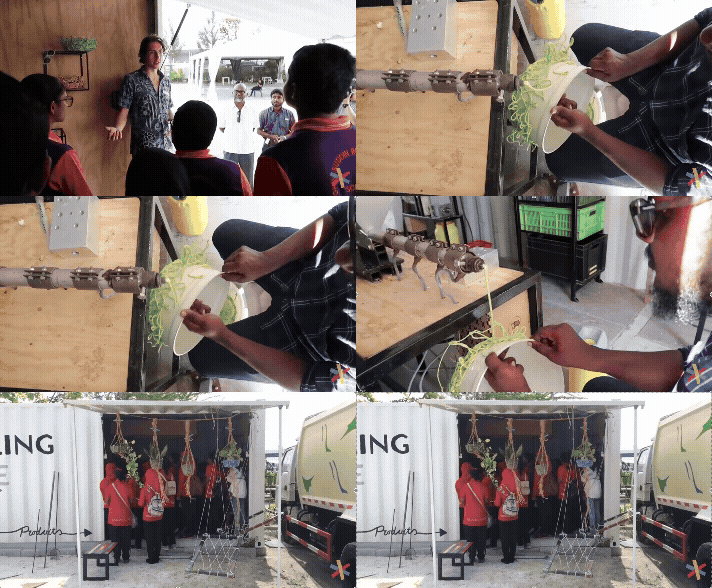
In action in The Maldives
Impact
The videos following the container from idea to reality were watched more than 400,000+ times. The blueprints were downloaded numerous times, though only a small number of teams, +10 by our count, ever copied it in true container form.
And that turned out to be the point. The lasting value was never the metal shell. It was what was inside it: the first clear example of a complete workspace, start to finish. With a plan to follow, people stopped waiting for a container and started adapting the layout to whatever space they already had.

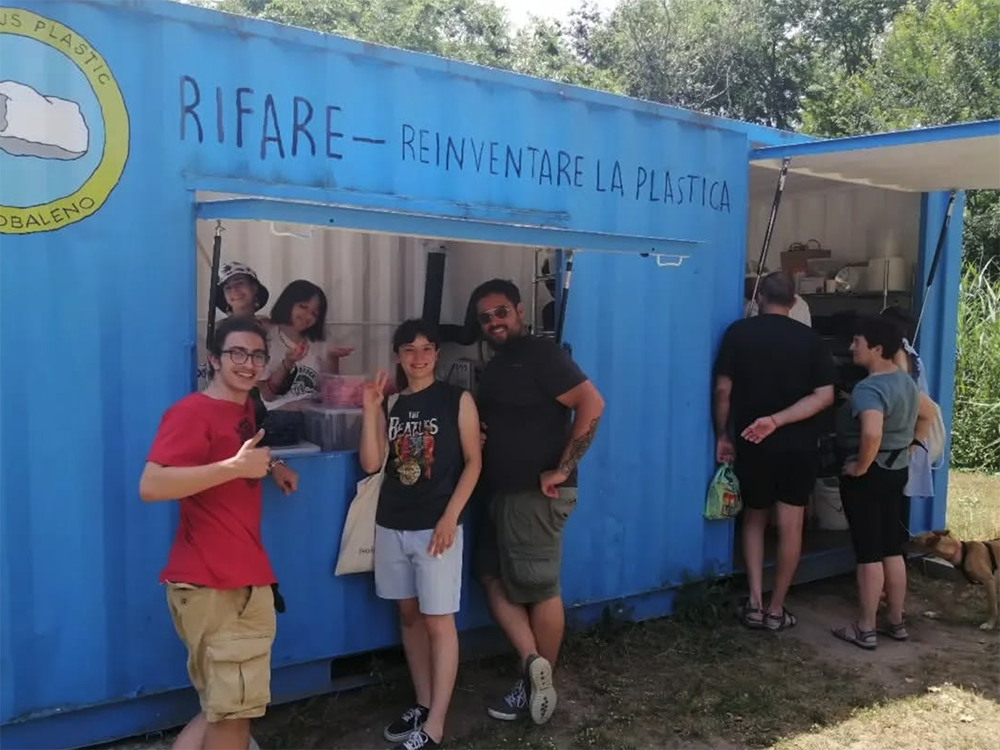

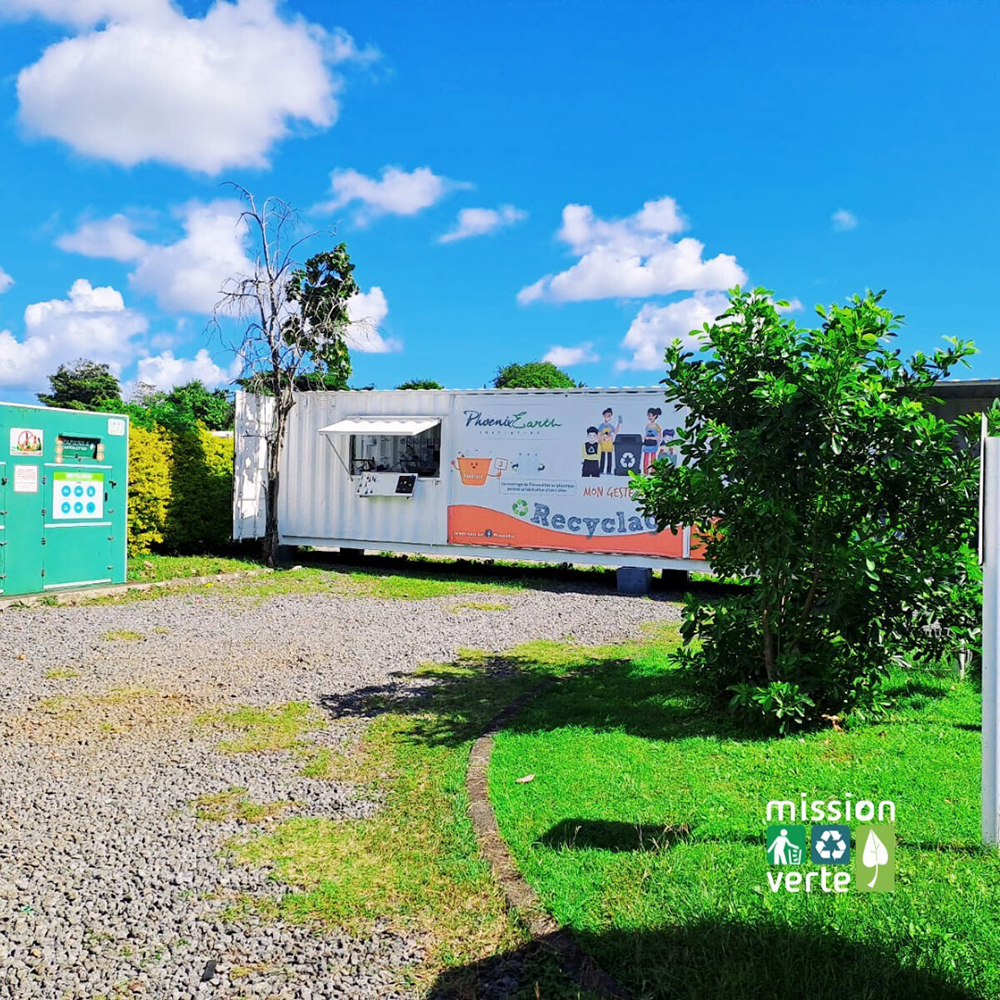

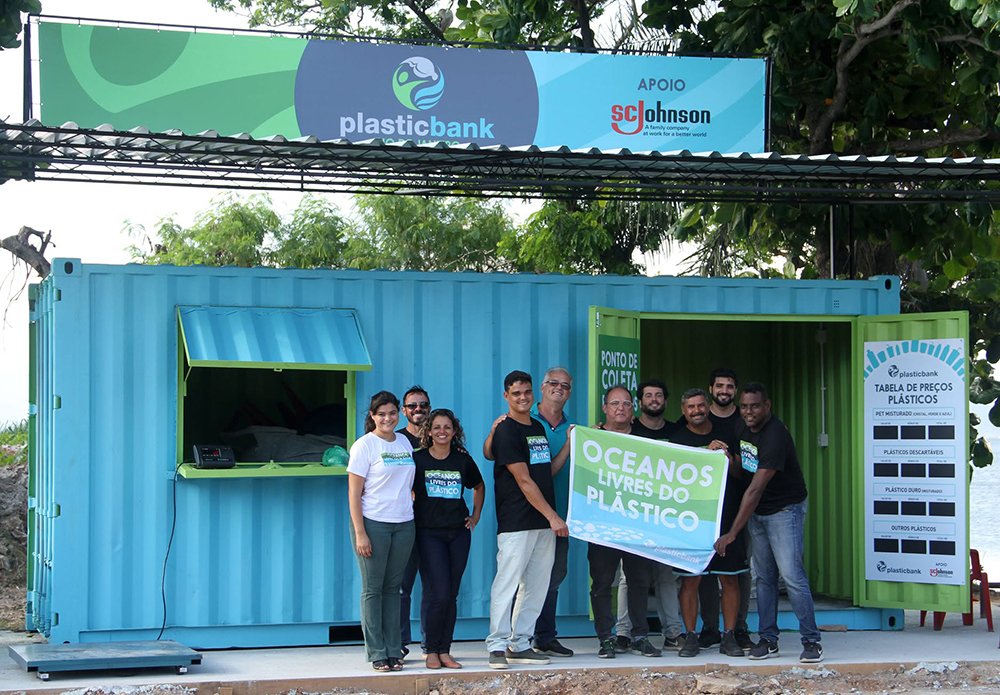

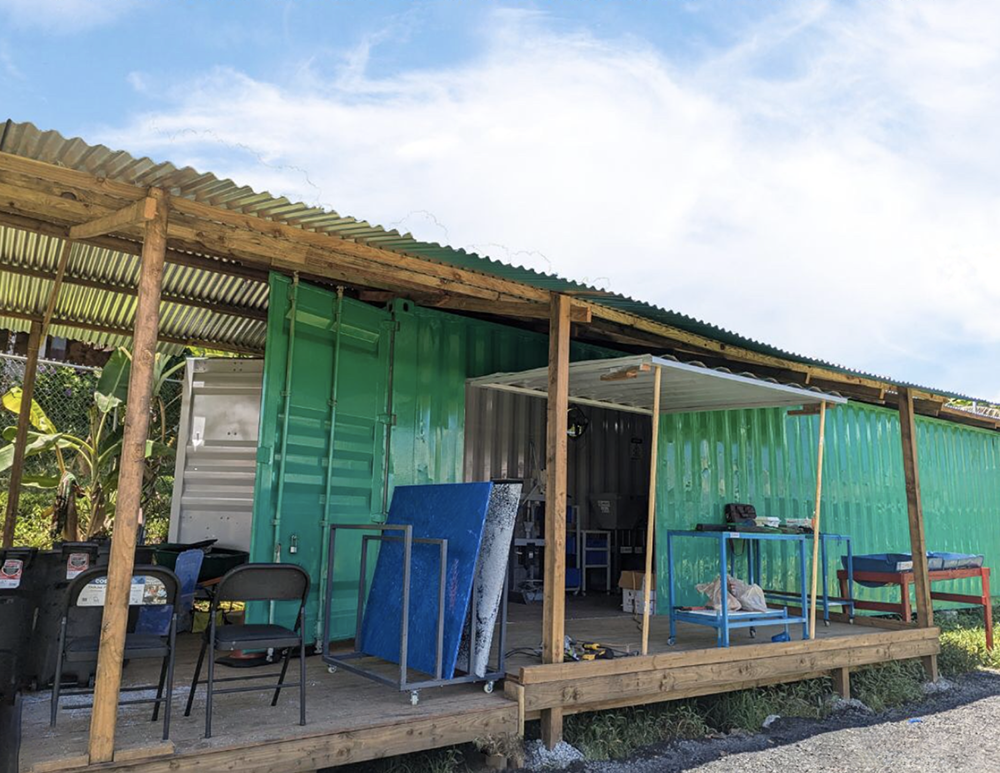

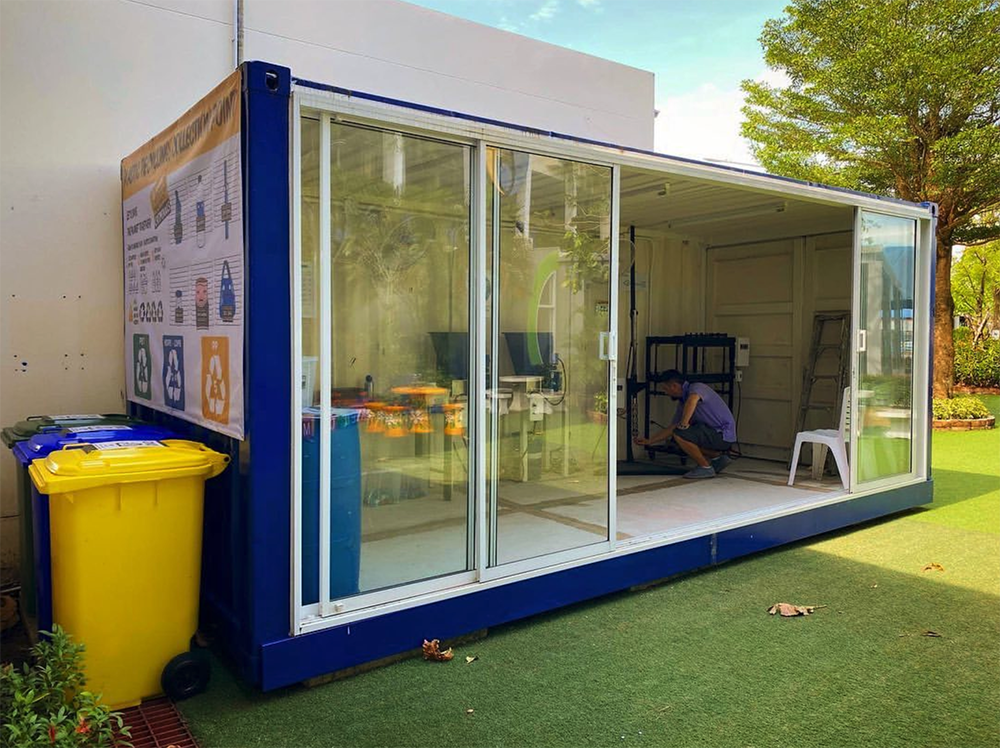

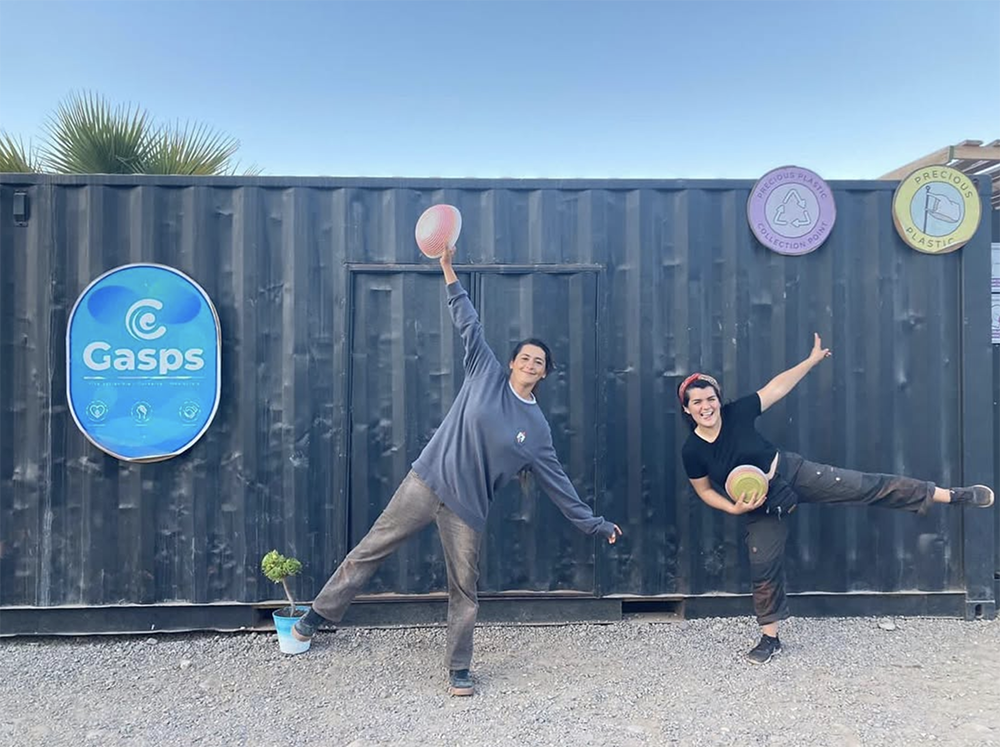

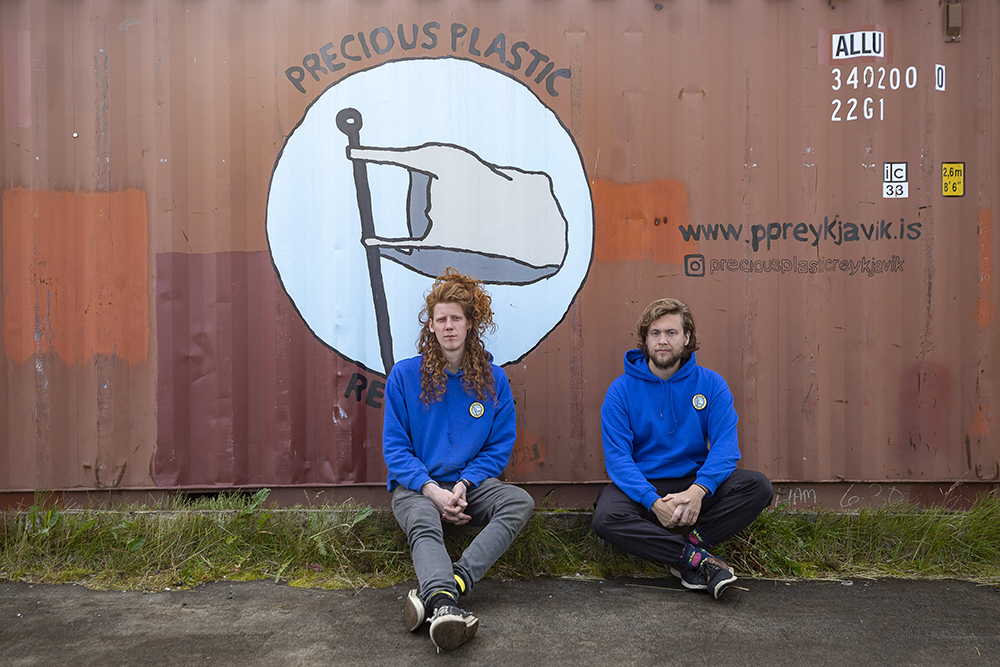

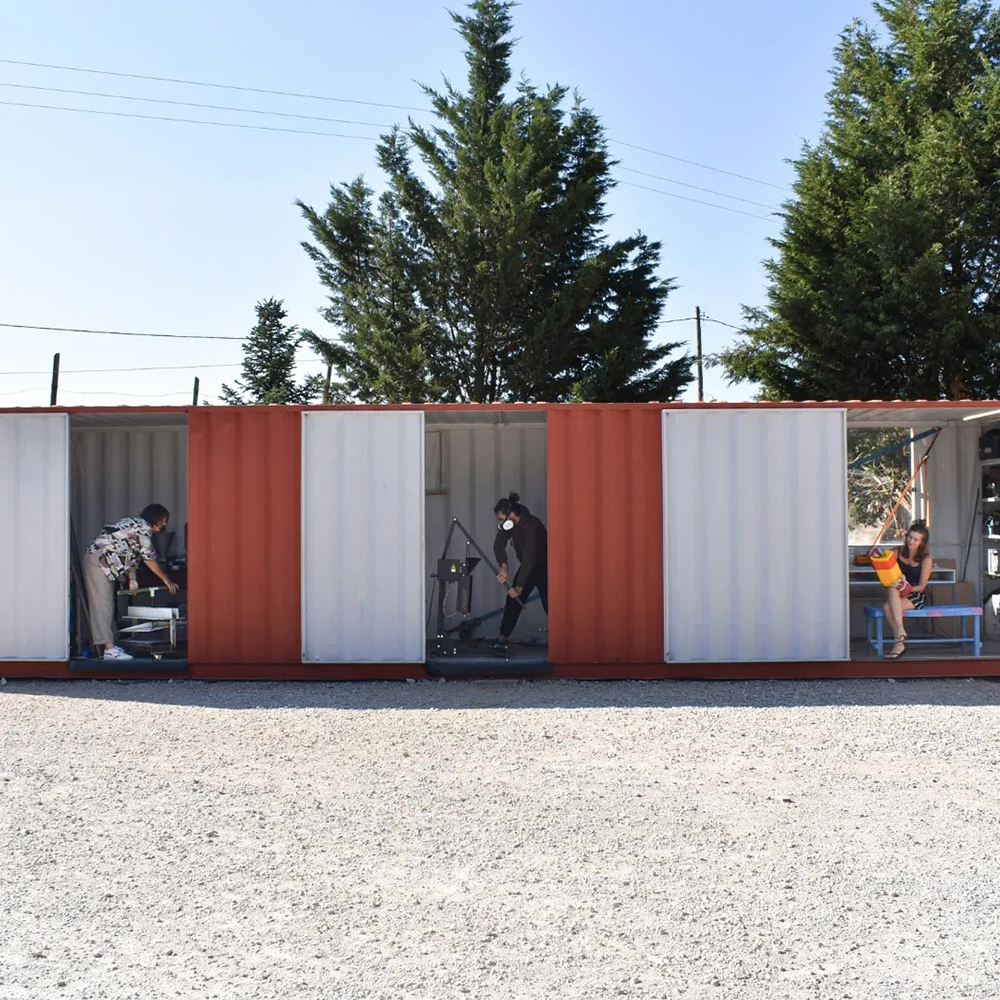

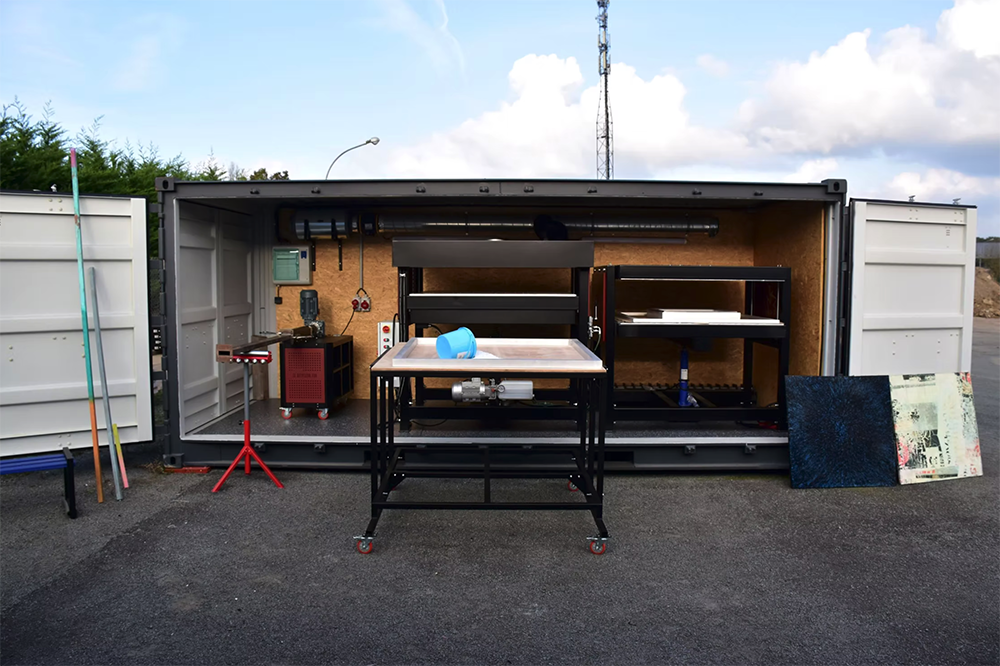

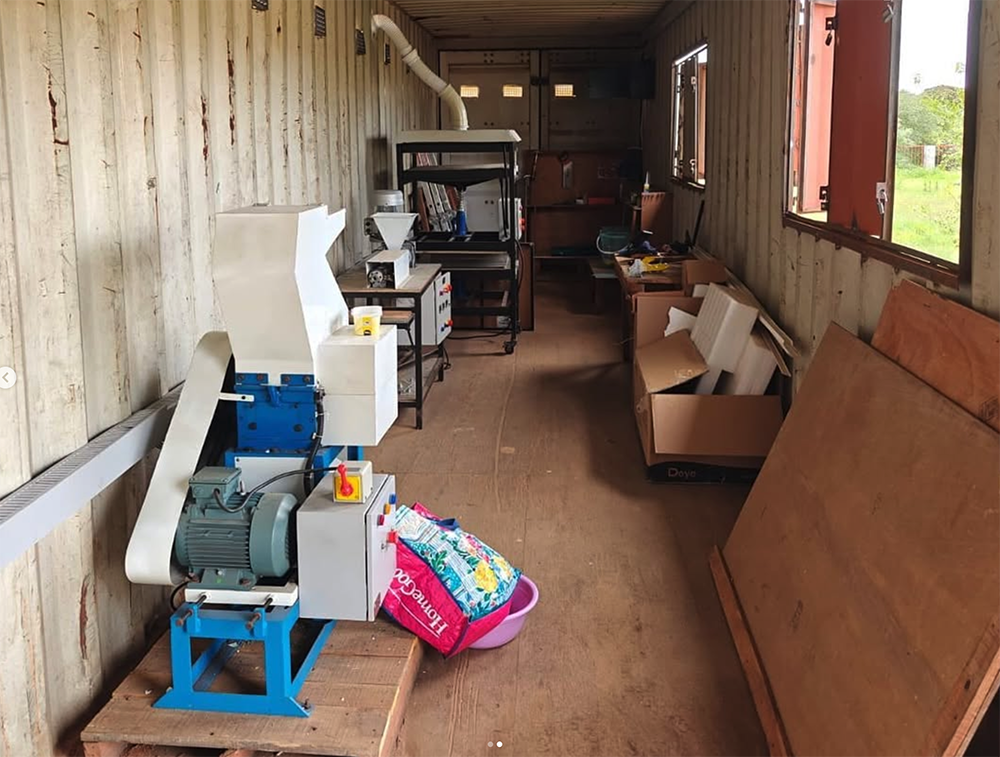
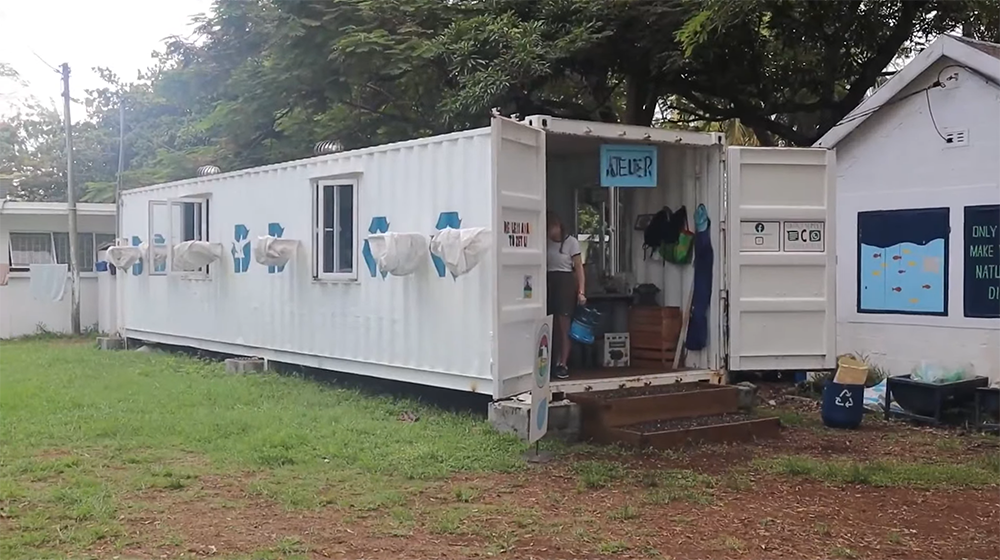

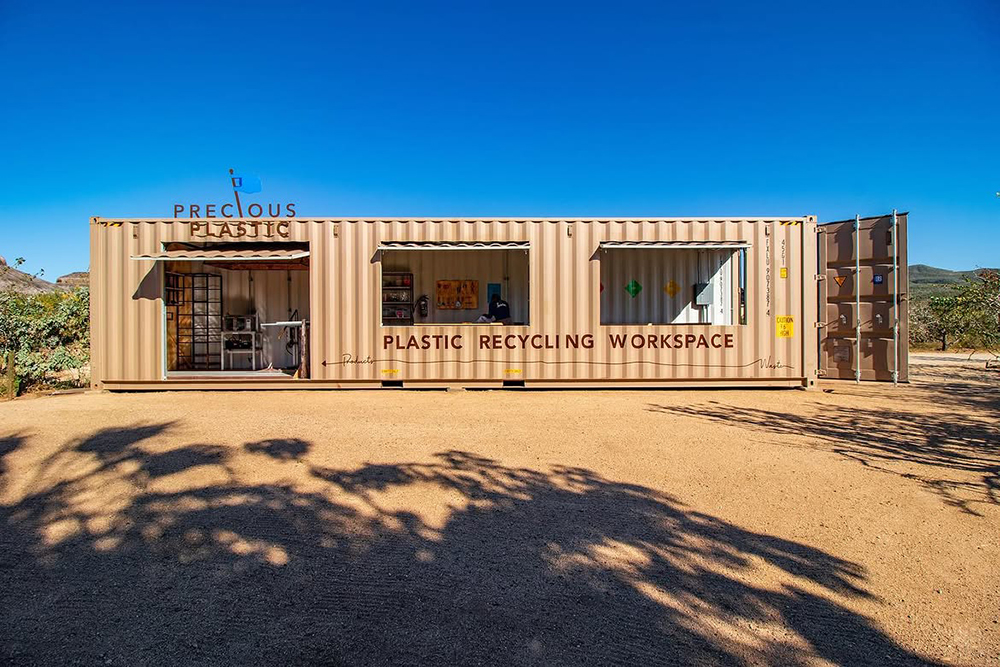
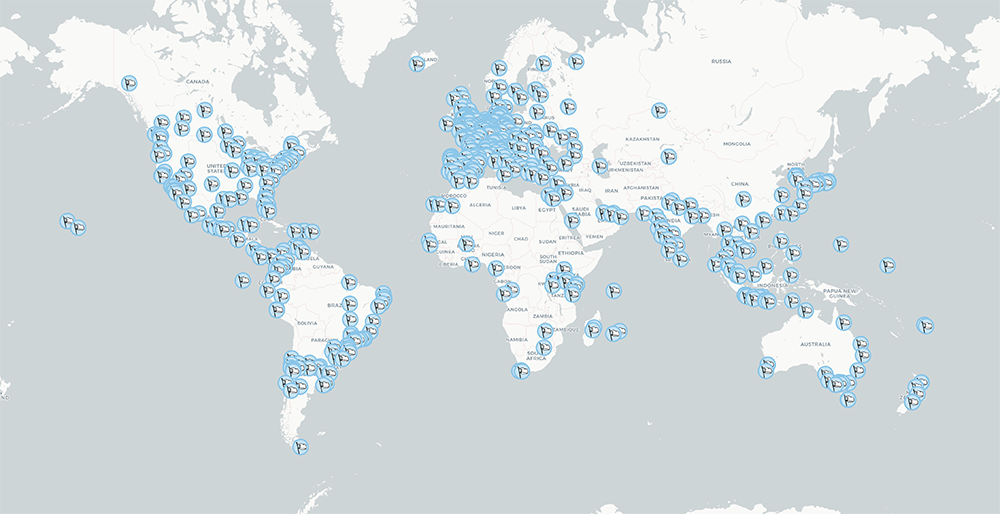
The idea of the "workspace" became the backbone of the whole community. Today there are more than 1,000 registered workspaces on our map, across 56 countries.
why it matters
To a maker, the difference between a hobby and a profession is usually just a plan. We provide the technical how-to so they can spend their attention on the things that matter locally: cleaning their coastline, hiring their neighbours, making products their community actually needs.
Work on one metal box turned into more than a thousand workspaces, each one building its own small circular economy.
Join us!
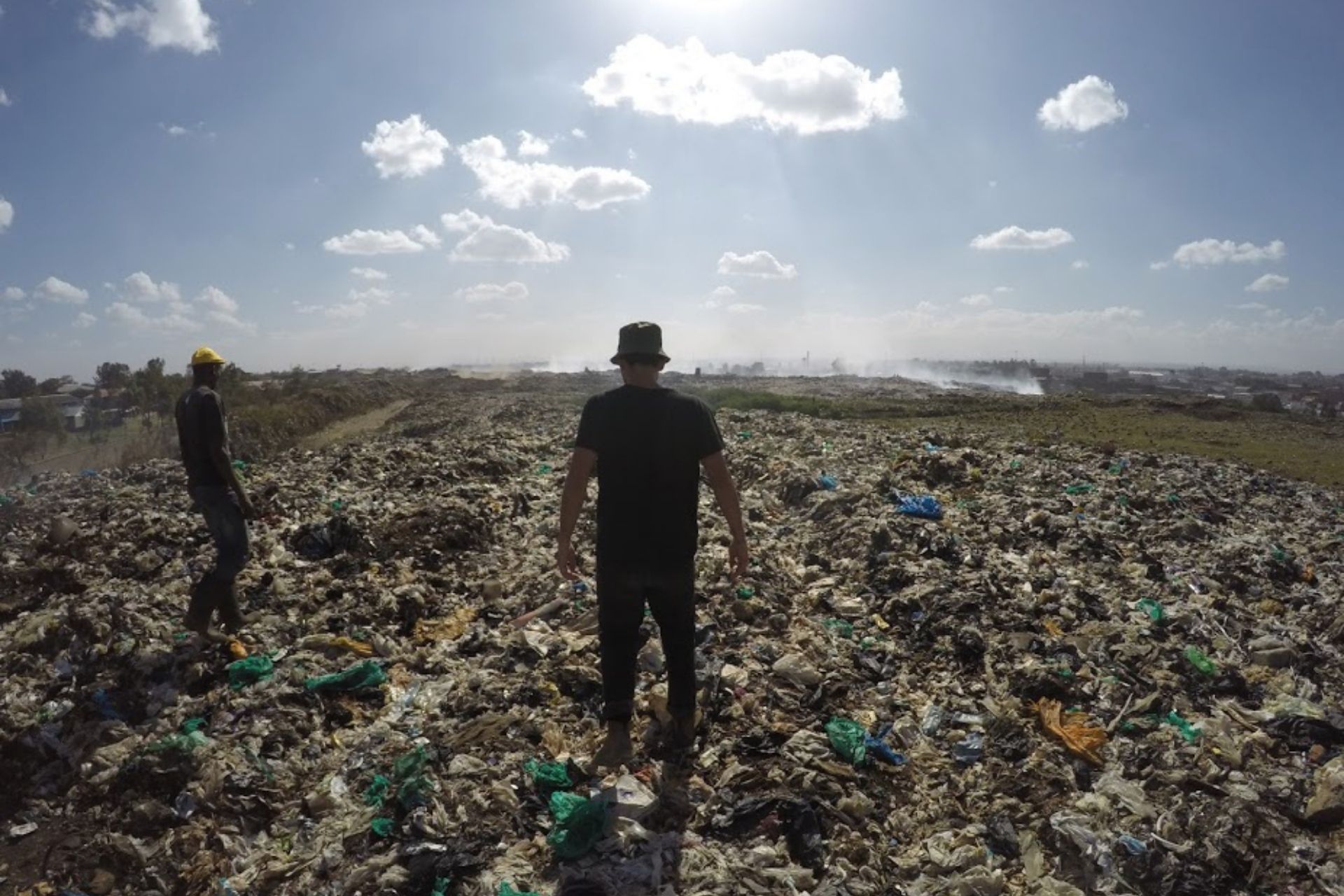
The world is full of plastic waste. Our members are fighting back. They contribute monthly, funding the development of new solutions. Each one shared open source, free for anyone in the world to use. Join and help build the most scalable way to fight plastic waste.
Become a member →Learn more